


Medical termination of 26-week foetus with microcephaly allowed by Bombay High Court

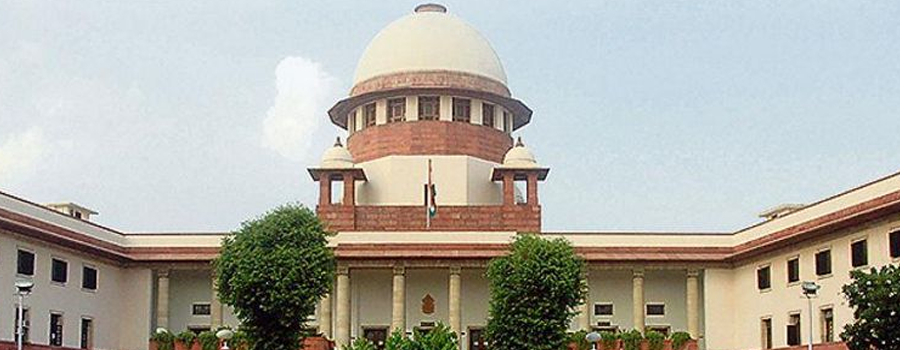
The Bombay High Court allowed a petition seeking medical termination of a nearly 26-week pregnancy since the foetus was detected with microcephaly, a condition where the baby’s head is smaller than expected. Even though the Medical Termination of Pregnancy Act, 1971 allows medical termination of pregnancies upto 24 weeks, the Court was of the opinion that this was a case where medical termination could be allowed since the microcephaly is a foetal abnormality that can affect the neurological development of a baby.
Transgender person have the right to be recognized as transgender or their self-perceived gender identity: Rajasthan High Court

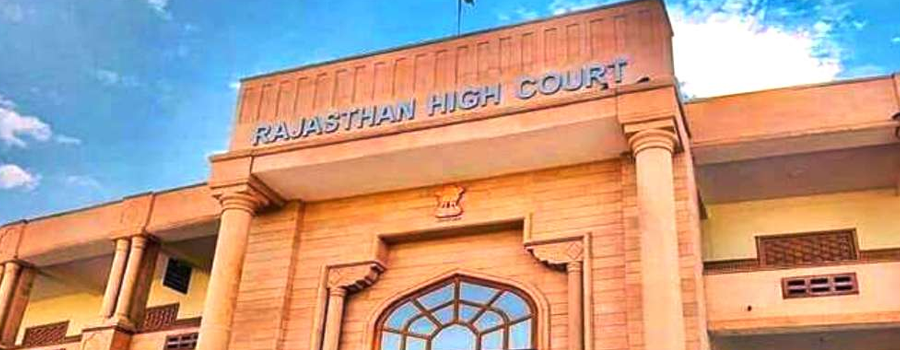
The Rajasthan High Court, hearing a Civil Writ wherein the petitioner wanted to change his name and gender in the service record of the school he worked at after he underwent sex reassignment surgery to become a male from a female, observed that “the right of a human being to choose his/her sex or gender identity is integral to his or her personality and is one of the most basic aspects of self determination, dignity and freedom”. The Court directed the Petitioner to apply for issuance of certificate indicating change in gender before the District Magistrate under Section 7 of the Transgender Persons (Protection of Rights) Act, 2019 and directed the school to then change the service record of the petitioner.

Withdrawal of Rs. 2000 notes is purely a policy matter of the Government: Delhi High Court

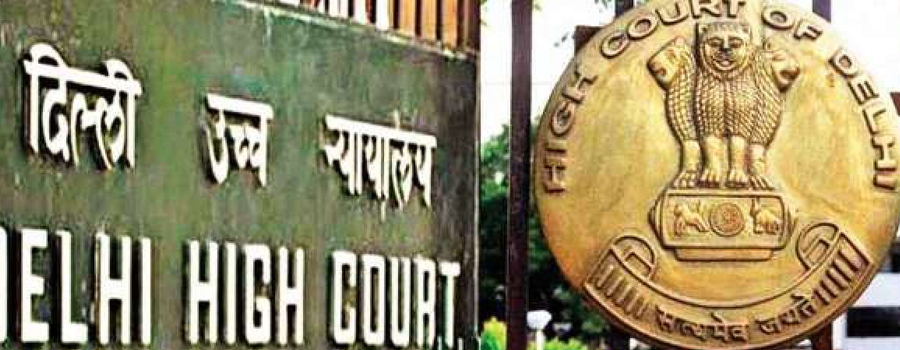
The Delhi High Court dismissed a Public Interest Litigation challenging the notification of the Reserve Bank of India allowing exchange of Rs. 2000 notes with notes of other denominations without identity proof, alleging that this decision encourages black money and money laundering. The Court observed that “this decision of the Government is purely a policy decision and Courts should not sit as an Appellate Authority over the decision taken by the Government.”

Government Servants are not precluded from the fundamental right to form associations

The Delhi High Court (DHC), while deciding a writ petition seeking continuation of recognition of the petitioner association, Central PWD Engineers Association, under the Central Civil Services (Recognition of Service Associations) Rules, 1993 (Rules), held that the right to form Association is a fundamental right that government servants cannot be excluded from however, the right of recognition of such an Association under the Rules by the Government is not a fundamental right. The DHC, therefore, remanded the matter back to the Government to determine whether the Association will continue being recognized under the Rules.

The Dutch Competition Authority blocked merger of two waste processing companies

The Dutch competition authority, the Authority for Consumers and Markets, blocked waste processing company Afvalverwerking Rijnmond from acquiring its rival, Afval- en Energiebedrijf. It was of the opinion that the combined entity would become, by far, the largest waste-management company in the Netherlands which would result in increased prices for waste processing services. Further, the increased cost to the municipalities and waste collectors would eventually pass on to the end-consumers.

Article 299 of the Constitution does not grant immunity from the applicability of statutes

The Supreme Court deciding an arbitration petition for appointment of a sole arbitrator under the Arbitration and Conciliation Act, 1996, in a matter where the contract in question was entered into in the name of the President of India under Article 299 of the Constitution, held that, “We are unable to trace any immunity arising out of Article 299, to support the contention that for contracts expressed to be made by the President of India, the ineligibility of appointment as an arbitrator as contemplated under Section 12(5) of the Act, read with Schedule VII, will be inapplicable.”

Duty to supply electricity as per Electricity Act, 2003, not absolute: SC

The Supreme Court (SC) has held that the duty to supply electricity under Section 43 of the Electricity Act, 2003 (Act) is not absolute and that the power distribution companies are empowered to stall new connections until pending arrears are cleared. In the order, arising out of batch of appeals, wherein the electricity supply was discontinued due to failure of previous consumers to pay dues, the SC held that a pre-condition of clearance of arrears for re-instituting the supply of electricity is valid and permissible under the scheme of the Act.

Partnership between American Airlines and JetBlue annulled by US District Court

The United States (U.S.) District Court for the District of Massachusetts in a civil antitrust suit ordered annulment of the partnership agreement between U.S. largest airline – American Airlines and JetBlue. Through the “Northeast Alliance” agreement, these airlines have consolidated their operations by selling tickets on each other’s websites, accessing airport gates and sharing revenue at four airports in New York area and Boston. The Judge noted that “It makes the two airlines partners, each having a substantial interest in the success of their joint and individual efforts, instead of vigorous, arm’s-length rivals regularly challenging each other in the marketplace of competition.